Character creation is very similar to many other classic RPGs. In addition to choosing aesthetic elements like name, appearance, and clothing color, you must assign attribute points (primary stats), skill points, and codes for Viking Rise . It’s worth investing some time, as you can’t change your attributes later.
Attributes affect additional characteristics, and their number can open or block access to certain capabilities:
— Strength. Affects base damage from swords and axes, as well as physical resistance. You can sometimes use this attribute during dialogue to hit someone or knock them down (more points means a higher chance of success). An essential attribute for warriors.
— Endurance. This attribute is based on your health, reducing damage and allowing you to block shields. It’s a crucial attribute for many warriors, especially those on the front lines. If you want to create a typical “tank” who will take the brunt of the damage, be sure to invest heavily in this attribute.
— Dexterity. This is a sort of equivalent to Mastery, and is responsible for the primary damage when using knives and spears. Dexterity points also influence the chance of inflicting critical damage. It provides a greater chance of unique opportunities during dialogue (such as a surprise attack) and theft.
— Perception. Determines the accuracy of ranged weapons, such as bows and slings. It also influences many dialogue options, giving you more options during negotiations. For obvious reasons, it’s recommended for archery and diplomacy.
— Feeling. This attribute influences mental fortitude and endurance. It’s very important in many dialogue options, and is partly equivalent to charisma in other games.
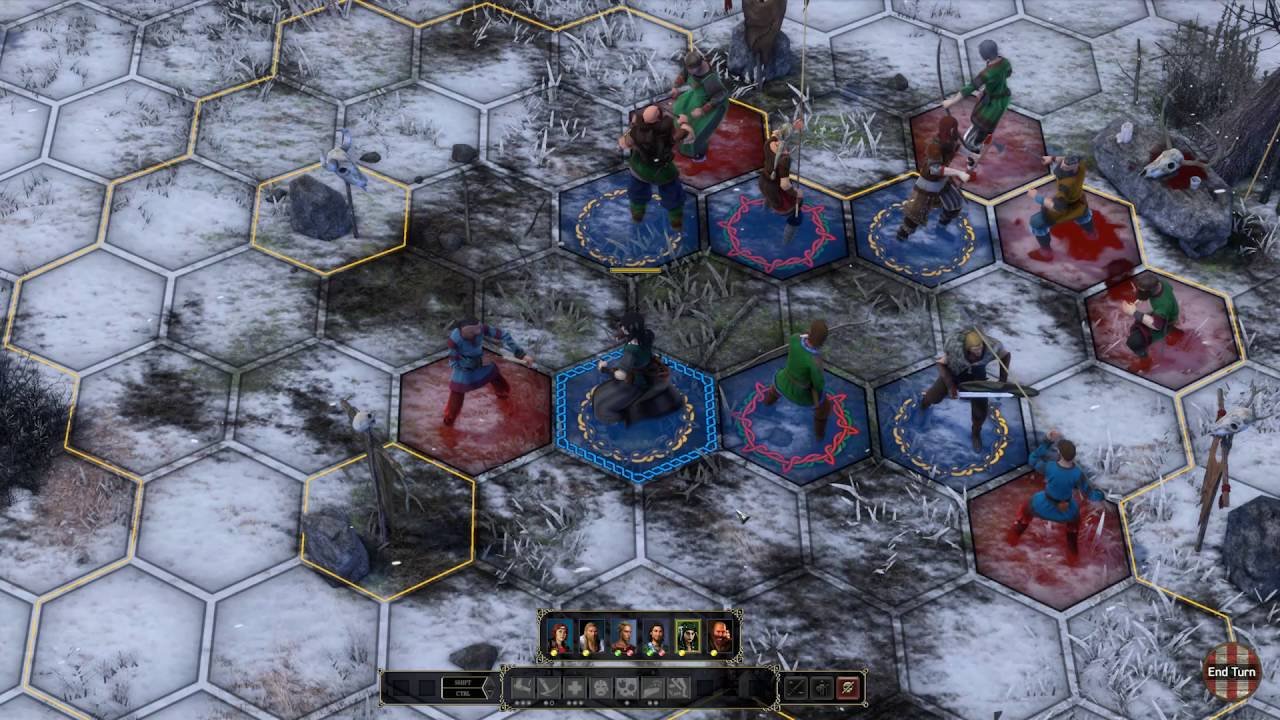
To begin, you should choose attributes that suit your overall playstyle, and then select a few skills that you’ll develop over time. You can choose more skills during the game itself. If you’re having trouble choosing skills, the game offers pre-made schemes. However, the role of warriors in a group can be summarized as follows:
— Warrior. Lots of defense, health, and stamina. Upgrade your sword/axe and shield to level 2-3, as well as a few variations of any offensive skills. For example, stun.
— Second-line warrior. Very similar to the first option, but emphasizes long weapons like axes and spears (requires more strength than dexterity). You can add additional combat attributes or offensive skills.
Archer. Invest as many points in Perception as possible to gain high accuracy. Upgrade your bow-related skills. You’ll not only deal more damage, but also gain special abilities. Invest points in traps that rely on your Perception level.
— Support. Here you can assign attributes based on the specific role, though Sentience is usually the most common. The best skills are Healing, Leadership, and Halder or Herbalism (for Witchcraft and Mages). Ranged weapons are suitable for combat.
— Camp. This is more of a companion ability than a full-fledged role. Level up skills like hunting, guarding, and crafting to levels 2-4. You can also unlock the passive skill “Sound Sleeper,” which allows you to use up to three shifts working at camp. You can also prepare other options for specific roles at camp, such as guarding and scouting.
— Diplomat. This applies to your main character, who can do more than just swing a sword. First and foremost, develop your senses and perception. Develop your leadership skills and diplomacy. In combat, the Inspiration ability is often used, so you won’t be involved in the fighting, and the other warrior will be able to attack more often. Then, focus on weapons, preferably without taking the front line. You should also improve your healing. After that, you’ll be able to support your strong companions.